Berlins Today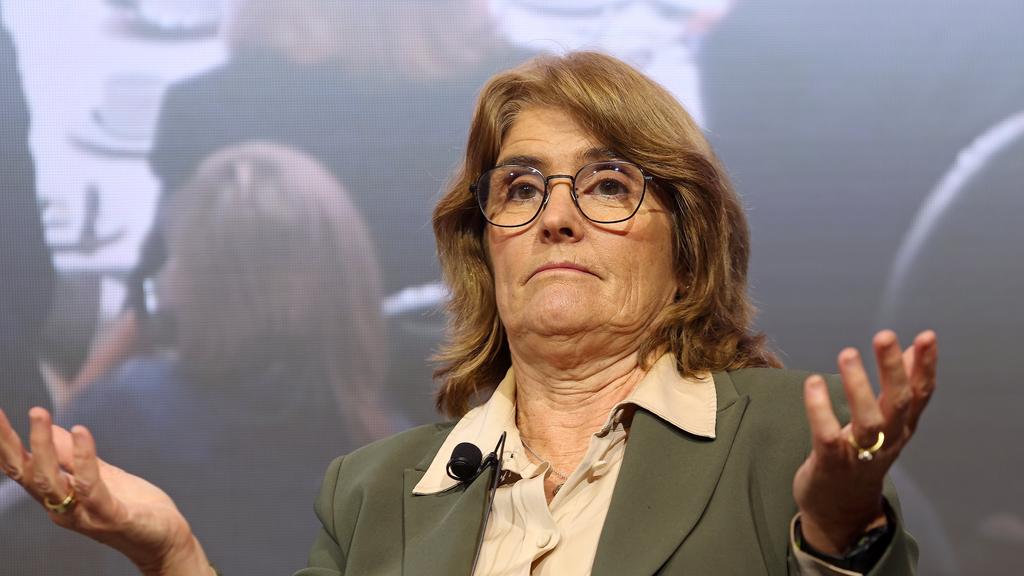
Reserve Bank Governor Michelle Bullock is expected to announce more rate hikes this year. Picture: John Appleyard Rampant Aussie spending on discretionary items like gambling and entertainment could be creating a heartbreaking problem for mortgage holders ahead of a widely expected interest rate hike this week. New analysis of ABS figures have revealed discretionary spending now accounts for 90 per cent of all real per-person growth in household spending, with homeowners who live in homes mortgage-free responsible for the bulk of the spending.
This could be a problem for a Reserve Bank reaching for the trigger on another interest rate hike in the hope that it will tame stubborn inflation as the hike may not stamp out what has become a major source of spending. And it could also mean mortgage holders being stung for higher repayments, with the risk that interest rate hikes fail to deliver a meaningful slowing in inflation, experts claim. MORE: Wrong’: Panic warning on RBA move in days Discretionary spending drives 90 per cent of all growth, leaving the Reserve Bank just one direction to move.
Source: ABS Household Spending Indicator. Analysis: Primara Research / Credit24 The analysis of ABS spending figures by finance group Credit24 showed Aussies spent $82.3 billion in July, led by spending on gambling activity, major sporting events and cinema attendance. These discretionary purchases grew by 7.8 per cent, which was twice as fast as the 3.5 per cent inflation increase previous cash rate rises were meant to suppress.
“Higher rates would affect households differently,” said Lee Carney, Consumer Finance Analyst for Credit24. “People with variable-rate mortgages could face higher repayments ... Growing household spending does not mean everyone can comfortably cover an unexpected bill.
“Outright owners are the one group actually positioned to benefit if rates move higher,” Carney added. “They carry no mortgage repayment, and our research shows they’re the most likely of the three groups to cover an unexpected cost from savings without difficulty, exactly the kind of buffer that makes it easier to keep spending through a tightening cycle.” MORE: ‘Unfair’: Aussies targeted in new low in days Canstar Sally Tindall said two more rate hikes would push the cash rate to 2008 levels, while most people are now carrying greater debts. The big four banks are all projecting a fourth rate hike next week, with ANZ also forecasting a fifth by the end of the year.
Canstar data insights director, Sally Tindall said another rate rise would push up mortgage repayments by $91 a month and be a serious hit to household budgets. “If we do get two more 0.25 percentage point hikes, Australia’s cash rate will soar to the highest level we’ve seen since 2008,” Ms Tindall said. MORE: Aus mortgage crisis just got worse Reserve Bank governor, Michelle Bullock said on Tuesday that inflation hits everyone but that it really hits low income earners hardest.
Picture: NewsWire / John Appleyard “While the majority of households will be able to absorb another financial hit, those already living from payday to payday – and there are plenty across the country that are – might find it officially puts them in the red. “A rate starting with a five is a very real possibility for owner-occupiers right now but if the RBA lifts that cash rate lever on Tuesday they’ll quickly become as rare as hens teeth,” she said. The RBA uses the cash rate to make borrowing money more or less expensive and limit or encourage spending.
Banks then adjust their interest rates which means an increase to the cash rate leaves mortgage holders with less money and gives higher returns on money in bank accounts. MORE: Best suburbs to buy for young Aussies A third of polled economists think cash rate rises are losing effectiveness. Picture: NCA NewsWire / Max Mason-Hubers Primara Research completed the ABS analysis and found 90 per cent of July spending was for discretionary items like recreational activities instead of essential purchases like groceries.
Discretionary spending rose five times faster than essential spending even when adjusting for inflation and population growth. A poll of 32 economists by Finder revealed a third thought cash rate hikes were losing their effectiveness. Nicholas Gruen from Lateral Economics said raising rates isn’t an equitable way to do it but given the way politics works, it’s what we’re left with.
“We should be using a wider array of instruments such as varying super contributions and some independence of the fiscal stance – via independent control of across the board tax changes,” Mr Gruen said. MORE: Inflation bombshell shows rate hikes backfiring Young people are more likely to have missed a bill than someone on the same income and over 45-years-old, regardless of their housing situation. MORE: Sad truth behind RBA plans for Aussies Leanne Pilkington from Laing+Simmons said, “interest rate increases are a blunt instrument which are having a disproportionate impact on people in the lower socio-economic demographic.” Survey data by Primara for Credit24 found one in three mortgage holders wouldn’t be able to cobble together $2,000 for an emergency payment.
Mortgage holders under 45-years-old are even more worse off with 38 per cent missing a mortgage repayment in the last month compared to only 26 per cent of over 45s.
Source: realestate.com.au