Berlins Today
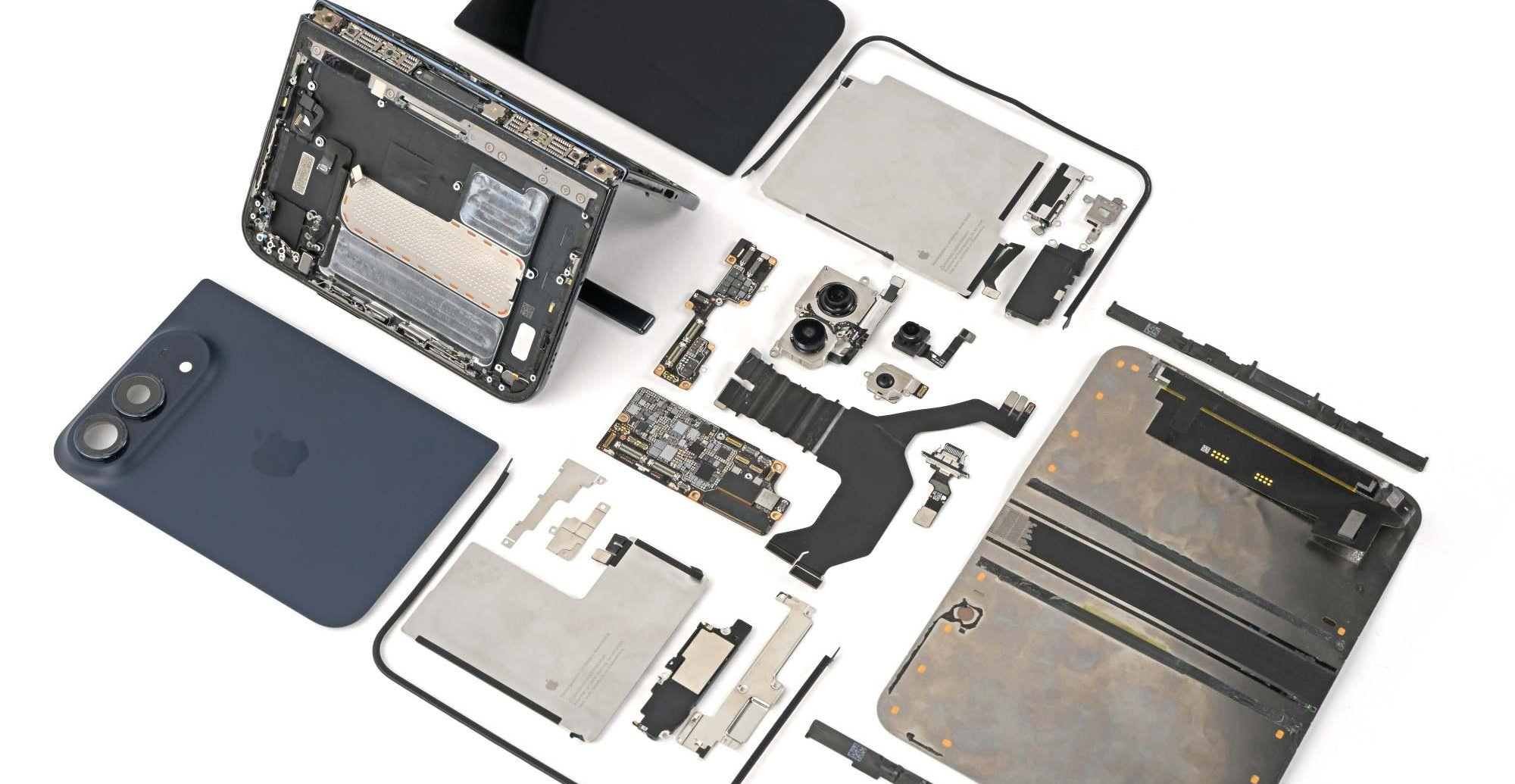
Attendees takes photos of the new iPhone Duo during an Apple event at the Steve Jobs Theater in Apple Park in Cupertino, California, on Sept. 9, 2026. Karl Mondon | AFP | Getty Images Hello, this is Anniek Bao writing to you from Singapore. Welcome to another edition of CNBC's Daily Open.
Apple is arriving at a party Samsung has mostly had to itself. And the South Korean firm didn't wait long to needle its biggest rival. Hours after Apple unveiled the biggest shake-up to its iPhone release cadence in seven years — including its first foldable phone — Samsung rolled out a campaign aimed squarely at iPhone loyalists.
Elsewhere, markets have bigger things on their mind than phone shapes. U.S. crude surged as traders quietly gave up on a quick end to the Iran war. What you need to know today U.S. crude climbed back above $100 a barrel this week, its highest level in more than three months, as the war between the U.S. and Iran ground on and fresh strikes hit tankers and infrastructure in the region.
The surge in oil prices has pushed up the odds of a Fed rate hike happening next week , and put fresh teeth behind the European Central Bank's decision to raise its own rate to 2.5%, with policymakers flagging both higher inflation and weaker growth ahead. U.S. stock futures, meanwhile, were little changed ahead of Friday's consumer inflation report — the last major data point before the Fed meets. 'So far, so same' Trump's $1 trillion 'dividend' plan runs into a wall President Trump's proposal to send Americans checks — reportedly around $5,000 apiece — tied to a Republican win in next year's midterms drew immediate bipartisan pushback, with critics on both sides flagging the price tag against an already-swollen federal debt load. At face value, the plan would be staggeringly expensive.
There are roughly 245.3 million U.S. adult citizens, according to 2024 Census data. Giving each of them $5,000 would cost north of $1.2 trillion. India's green build-out New Delhi's push to shore up energy security with solar and battery capacity is running into an uncomfortable dependency: much of the hardware and critical minerals behind that build-out still originate from China , complicating India's parallel effort to de-risk its economy from its northern neighbor.
This is a "critical advantage" that China holds over India, and in the past Beijing has used its access to key resources and technology as a "geopolitical tool" to get better trade deals, Ankita Chauhan, director at Wood Mackenzie, told CNBC. Ford leans into Kentucky Ford said it will invest $1 billion in a new paint shop at its Kentucky Truck Plant. The announcement came days after the Department of Transportation needled automakers over their reliance on Chinese supply chains.
Transportation Secretary Sean Duffy expressed "profound concern" about Ford's U.S. "manufacturing integrity" and ties to Chinese companies that the Trump administration believes could be detrimental to the Detroit carmaker and U.S. automotive industry. Oracle's cloud floats higher Oracle shares edged higher after fiscal first-quarter results beat expectations, with cloud infrastructure revenue more than doubling from a year earlier on the back of AI-driven demand.
Its shares added 4% in extended trading overnight. Investors have been rewarded with the same story all year — the only question left is how long triple-digit growth off an increasingly large base can continue. — Anniek Bao And finally... AI is losing its stranglehold on the U.S. stock market.
Here's why A key tech-stock volatility metric options traders have been watching all year is reversing, sending a sign to investors that the U.S. bond market may now be usurping AI optimism as the primary driver of the stock market. The spread between the volatility of big tech names and the rest of the stock market – measured most frequently by the difference between the Cboe's VIXEQ and VIX indexes – blew out to record highs this summer as tech giants behind the AI boom regularly moved hundreds of billions of dollars of market cap per day while the rest of the market stayed stagnant. — Oliver Renick
Source: CNBC