Berlins Today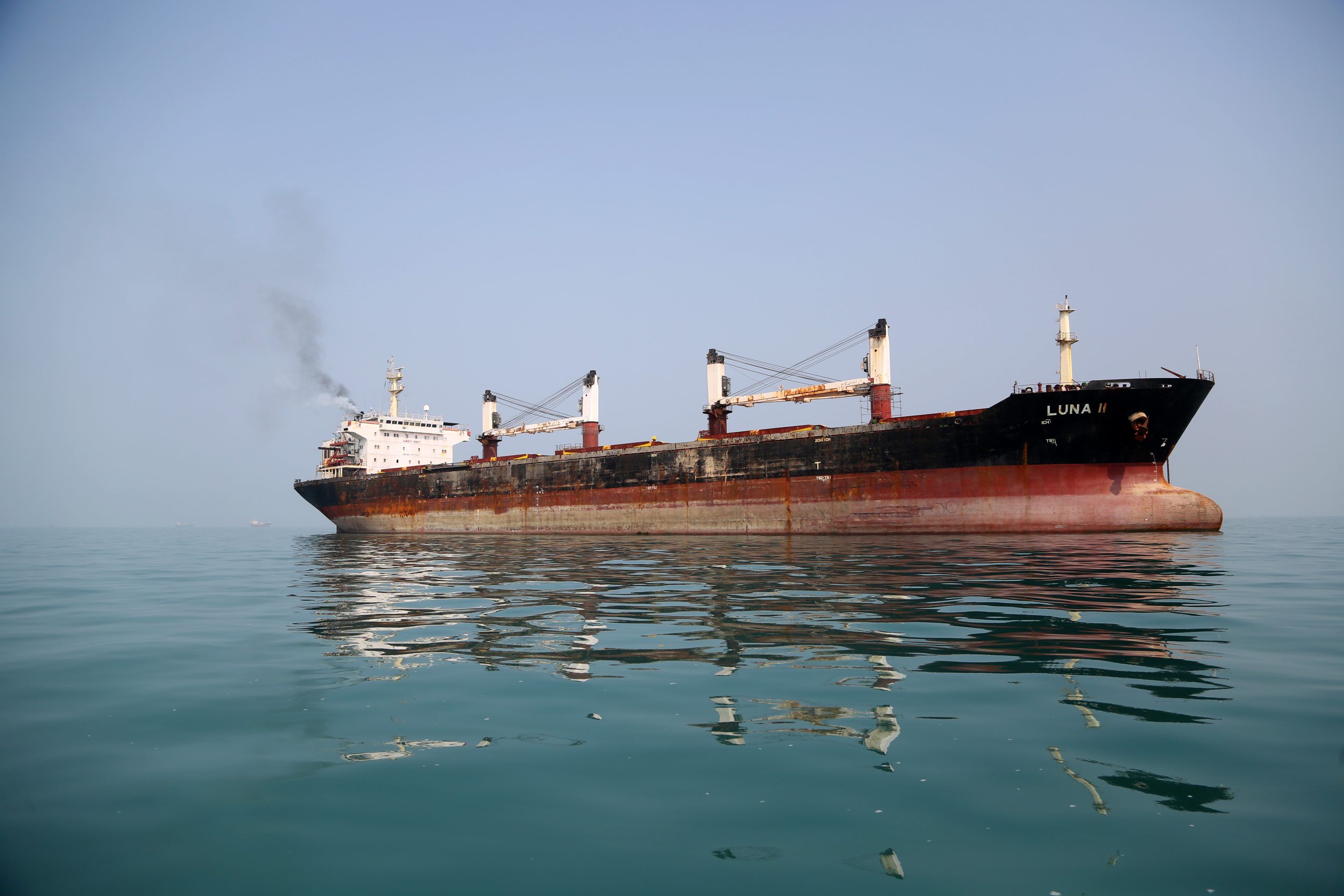
Pockets of fuel shortages worldwide, continuing price spikes, and rising inflationary pressure are now more imminent amid the ongoing Iran war escalation and the continuing decline of global energy supplies, analysts said. On Wednesday, the global benchmark for crude oil topped $101 per barrel for the first time since July, while the U.S. standard for diesel rose above $200 per barrel—just the second time ever after a brief dip in 2022 following Russia’s invasion of Ukraine. With oil flows again slowing in the Strait of Hormuz, central banks worldwide will likely consider rate hikes to combat rising inflation.
"The conflict has entered a new stage," said Susan Bell, senior vice president for Rystad Energy. "Global stocks of diesel, gasoline, and jet fuel have drawn down significantly; they are now at critical low levels, similar to levels last seen after Russia first invaded Ukraine." The only solution, she said, is for prices to rise further to "demand destruction" of oil and fuels. "I hate to say it, but we need prices at the pump to go up higher to encourage consumers to make choices on their energy consumption." Heading into fall and winter, fuel shortages—especially diesel—will become more prevalent in the U.K., Europe, and South Asia, as tanker traffic through Hormuz has slowed drastically due to Iranian and Houthi attacks on Saudi Arabian energy facilities and vessels in the Red Sea.
Countries are depleting oil reserves, with the U.S. Strategic Petroleum Reserve at a 44-year low, and many refineries offline from the Middle East to Russia. Supplies for diesel, critical for trucking fleets, are especially dire.
"The market is competing for a limited supply of diesel," said oil forecaster Dan Pickering. "We worry now." Prices are high, and there’s no easy relief. "Diesel is the bigger canary in the coal mine right now," he added.
Inflationary pressures are rising globally, with U.S. gasoline prices hitting a record $4.22 per gallon in September. Casey’s General Stores reported reduced fuel consumption and lower snack sales due to higher prices, particularly affecting lower-income customers. "People are trading out of premium and mid-grade and opting for regular," said CEO Darren Rebelezon.
Analysts warn that without resolving the Middle East or Russia-Ukraine conflicts, prices and demand must adjust, which will be painful for consumers. President Donald Trump suggested Iran will continue the war to damage his political standing, while Rystad Energy’s Claudio Galimberti predicts a U.S.-Iran truce may be necessary by the end of the year to avoid major economic damage into 2027. "The administration will want to show inflation is under control," he said.
Source: Fortune