Berlins Today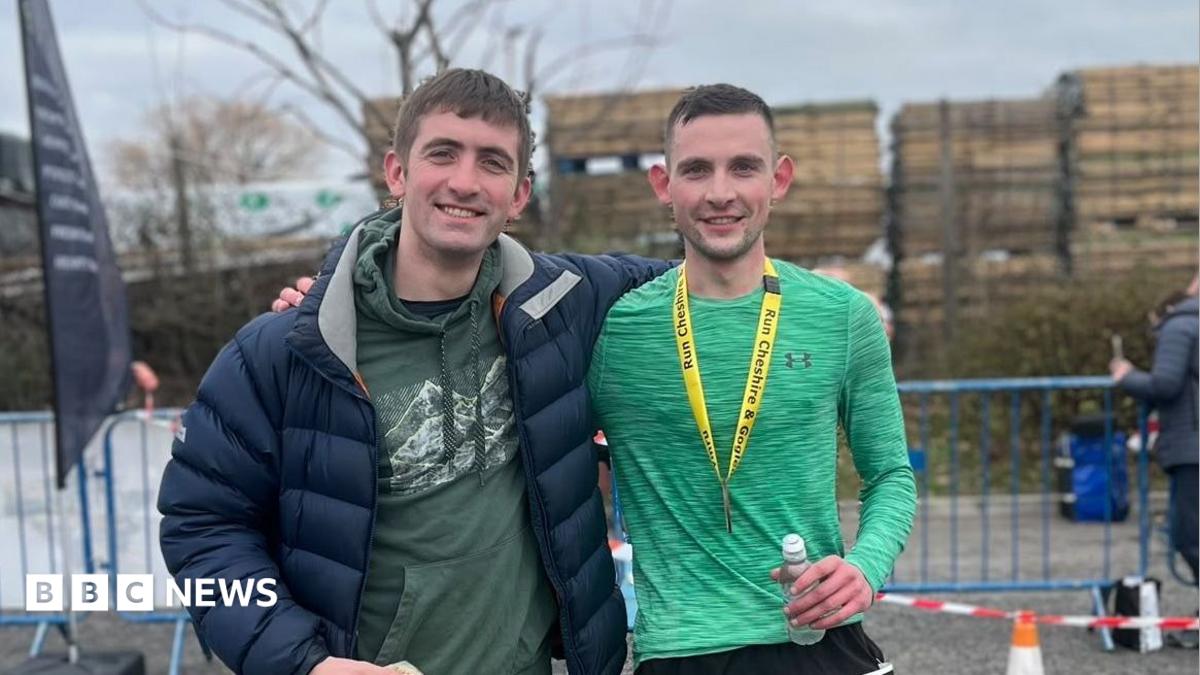
Saul was 17 and on a school trip when he first started feeling cold and experiencing sensitivity to light, but when a purple rash developed, the family went to A&E. "It all happened very fast," said Saul. "When my mum used the word meningitis, I could see how worried she was.
It was really concerning - it was all so alien to us." Saul spent a week in hospital and said the experience was "really scary", especially as he was so young. Almost exactly a year later, his then 16-year-old brother Drew began to feel unwell as he was studying for his GCSEs with a high temperature but no other obvious symptoms. Things escalated quickly following a trip to the GP.
"When I left the house I had no rashes on me at all. When the doctor lifted up my top, I had a big rash all over my chest and belly," he said, adding that purple dots on the roof of his mouth had also developed. Drew spent two weeks on the children's ward at Wrexham Maelor hospital.
"I did think it's a bit weird isn't it really that we've both caught it, what are the odds of that?" said Saul. It was touch and go for the first 48 hours before Drew slowly began to recover, but he lost a lot of weight and it would be months before he felt completely well. "I'm really thankful the doctor called the ambulance straight away when he noticed the rash - those quick decisions potentially saved our lives," said Drew.
Meningitis is an infection of the protective membranes that surround the brain and spinal cord and is usually caused by a bacterial or viral infection. It can be very serious if not treated quickly and can affect anyone, but is most common in babies, young children, teenagers and young adults. "We know that young people can be at increased risk of meningitis for a number of reasons," said Caroline Hughes from the Meningitis Research Foundation.
"The bacteria spreads more easily in that group, it's lots of people mixing together, and more independence as people move away from parents." She said it was important to be aware of the signs and symptoms, and to have all the vaccines available to you. The deadly outbreak of meningitis B in Kent earlier this year sparked a vaccination catch-up campaign across Wales and England aimed at young people starting further or higher education in September 2026, and who hadn't had protection against the most prevalent strain. Public Health Wales said 19,700 young people have had their first dose through the programme, with 14,459 also having a second dose, which needs to be given four weeks apart.
Clinics are being put on at universities across the country during the first few weeks of term.
Source: BBC